
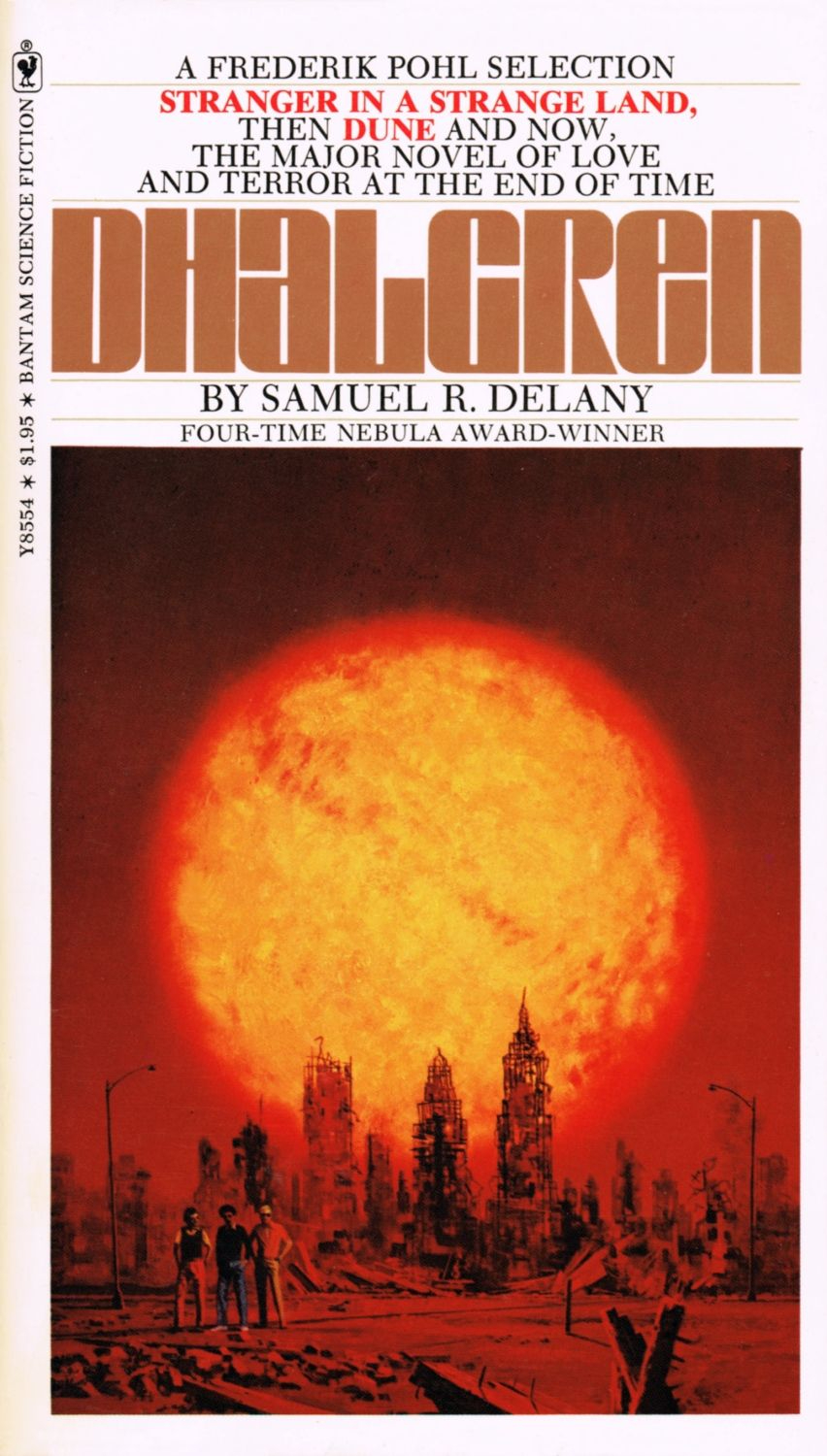
There are many times I wake up and feel like I’m living in a Samuel R. Delany novel. America sometimes seems to traverse history as a flat spiral, constantly re-encountering itself without recognizing itself as it passes.
I picked up Dhalgren in a remainders bookstore when I was 16, after moving at the end of my junior year of high school from Long Island to a small city upstate near the Quebec border, a town caught in its own desolate time loop with a SAC base and nightly scrambles of bombers and tankers.
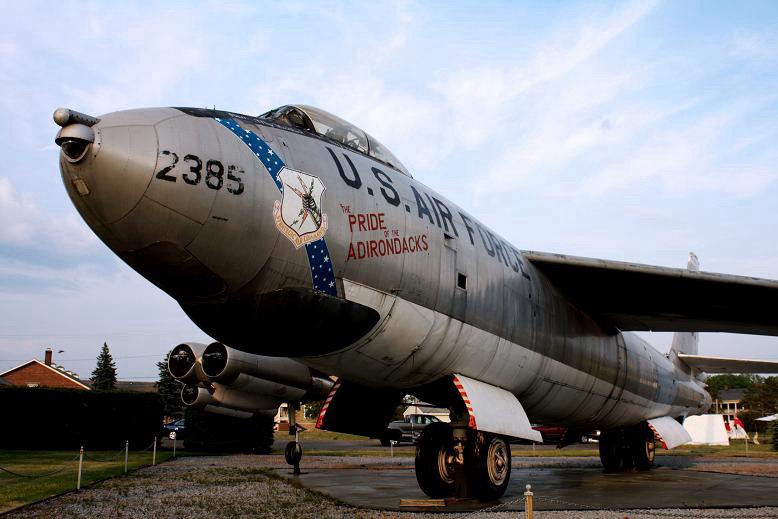
The book was mind bending and the wildest thing I had read up to then, but Bellona felt like a town I knew somehow.
I was already living at something of a remove from the world around me, having moved 375 miles north of my whole life to that date because my father had taken a job as a high school principal. My mother was still going to be teaching on Long Island, commuting to our new home every other weekend-adding to the sense of unbelonging.
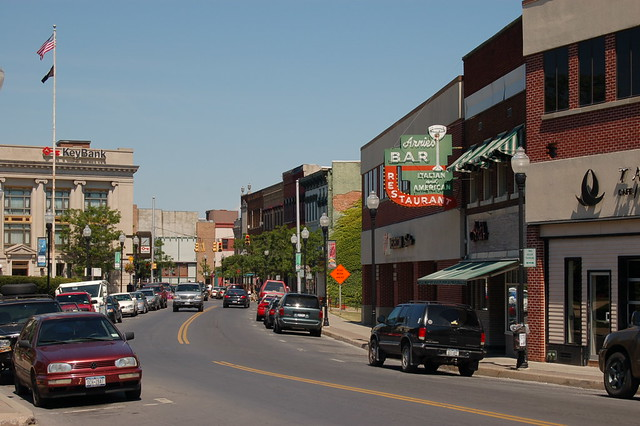
I sometimes feel like I’m walking past that kid with Cold War neuroses when I walk through my neighborhood in Baltimore, where I have family and friends but will never be a native. To always be from someplace else is a hell of a thing.

A lot of this came to mind last night as I sat in an auditorium listening to Jeff VanderMeer talk about Absolution , his new Southern Reach book, and the rest of the series. He talked about how his research assistant had to construct a map of all the layers of previous human inhabitance in Florida’s Forgotten Coast — black communities’ burial grounds, indigenous settlements, and failed plantations, etc. — because no one had ever bothered to centralize all that knowledge.
We keep recolonizing our past, not even recognizing it as our past. As we approach the first Tuesday of November, this is…very much apparent.
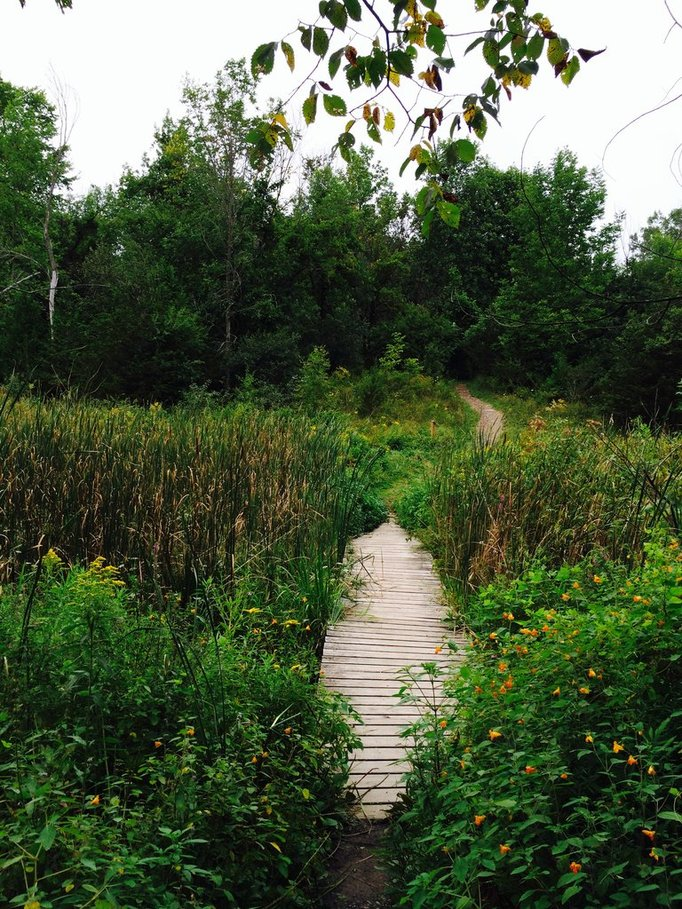
Maybe we’ll wake up at some point and look around and see ourselves walking the other way as we pass on that footbridge out of this place where we are all visitors.
 The Packet Rat